
I want to tell you how I found the flower.
I never intended to be an artist. I wanted to bring colour into homes and make spaces feel warmly human. But three years into an interior design degree, the fine art electives I kept taking told another story — as did the feeling of missing out whenever I wandered the painting floors above ours. I switched my major to painting, but kept my love for interior design, circling back to its history for my master’s thesis in my final year.
From this, the flower emerged as design history’s most enduring and revered motif. Across millennia and cultures, it represented nature, beauty and fertility. But when the white walls of modernism swept through, design history was changed forever. The flower, and the feminine associations it carried, was eradicated from design language.
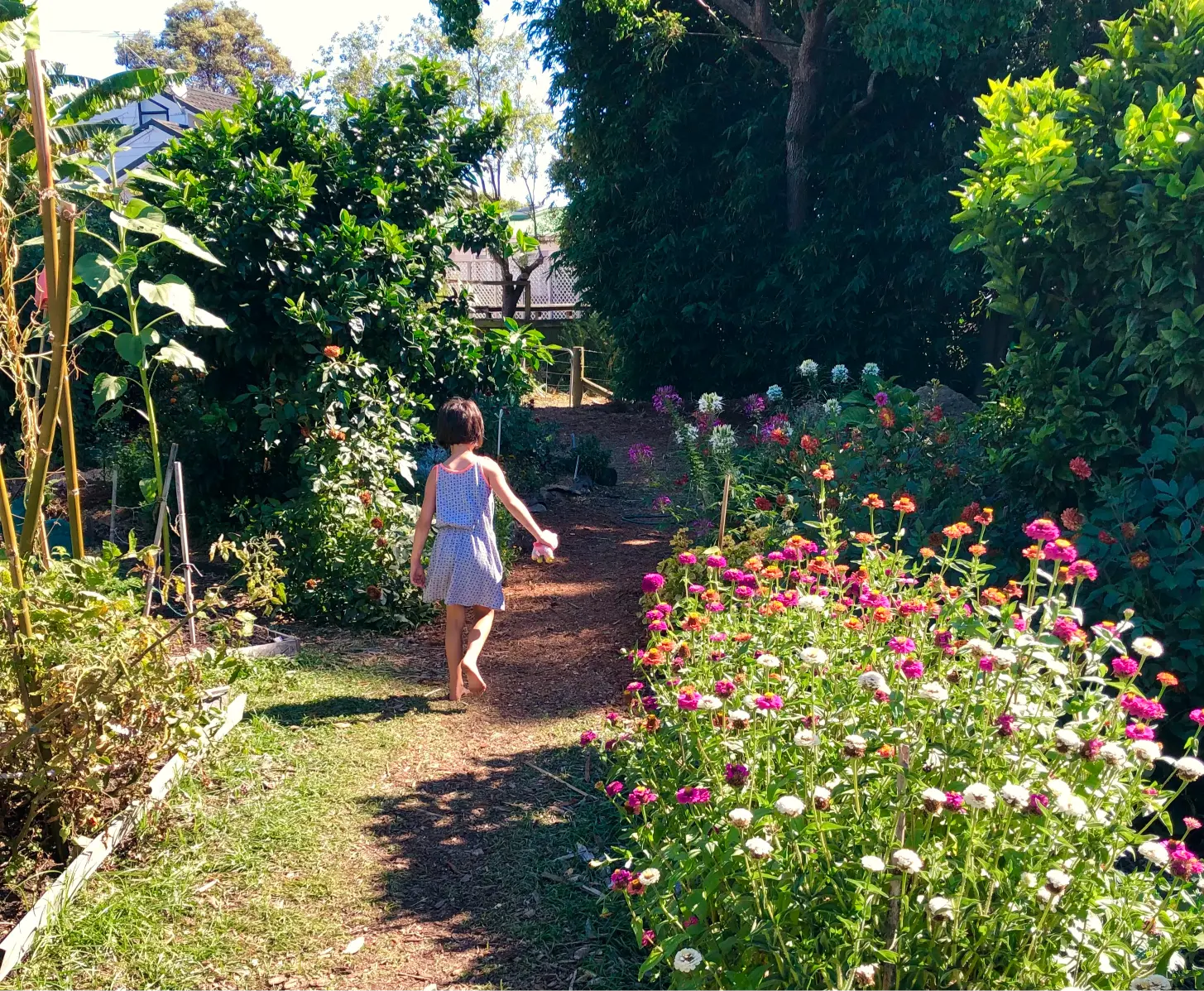
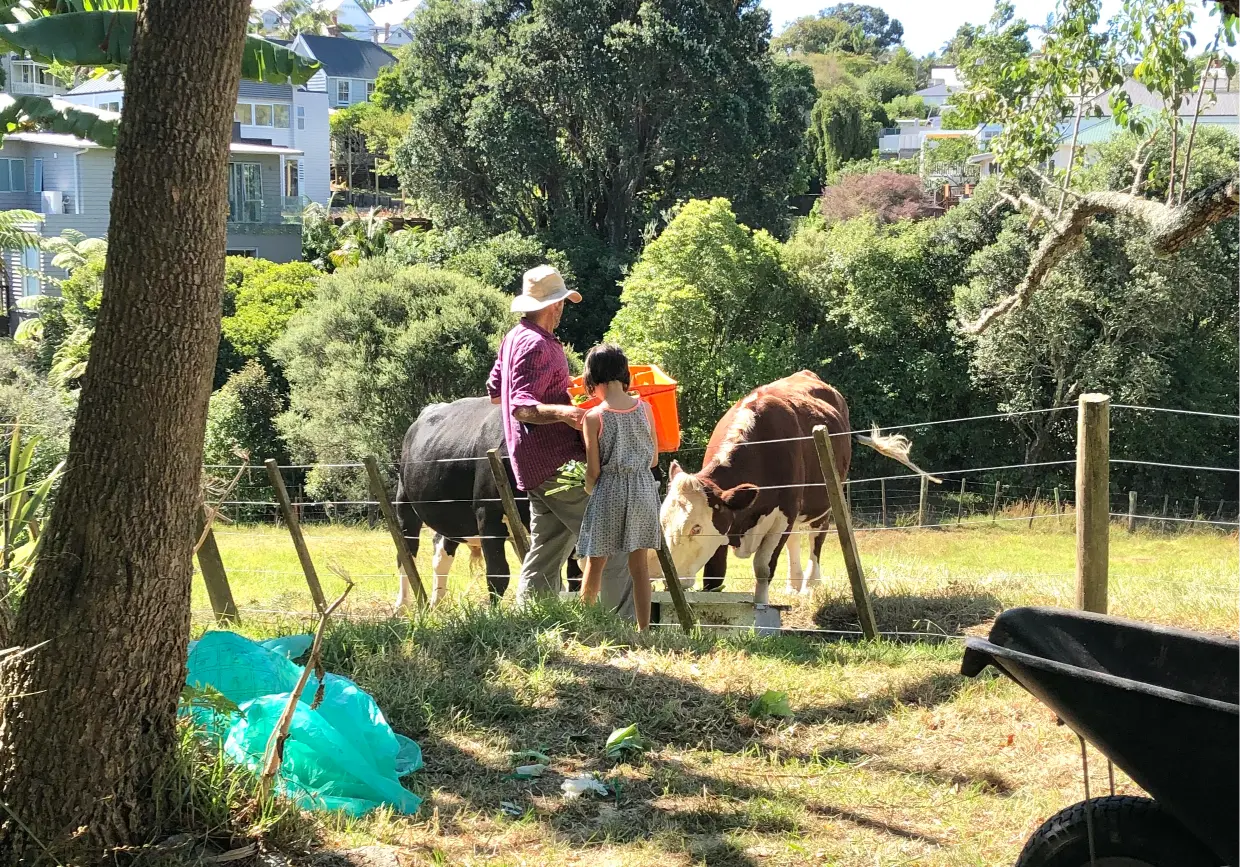
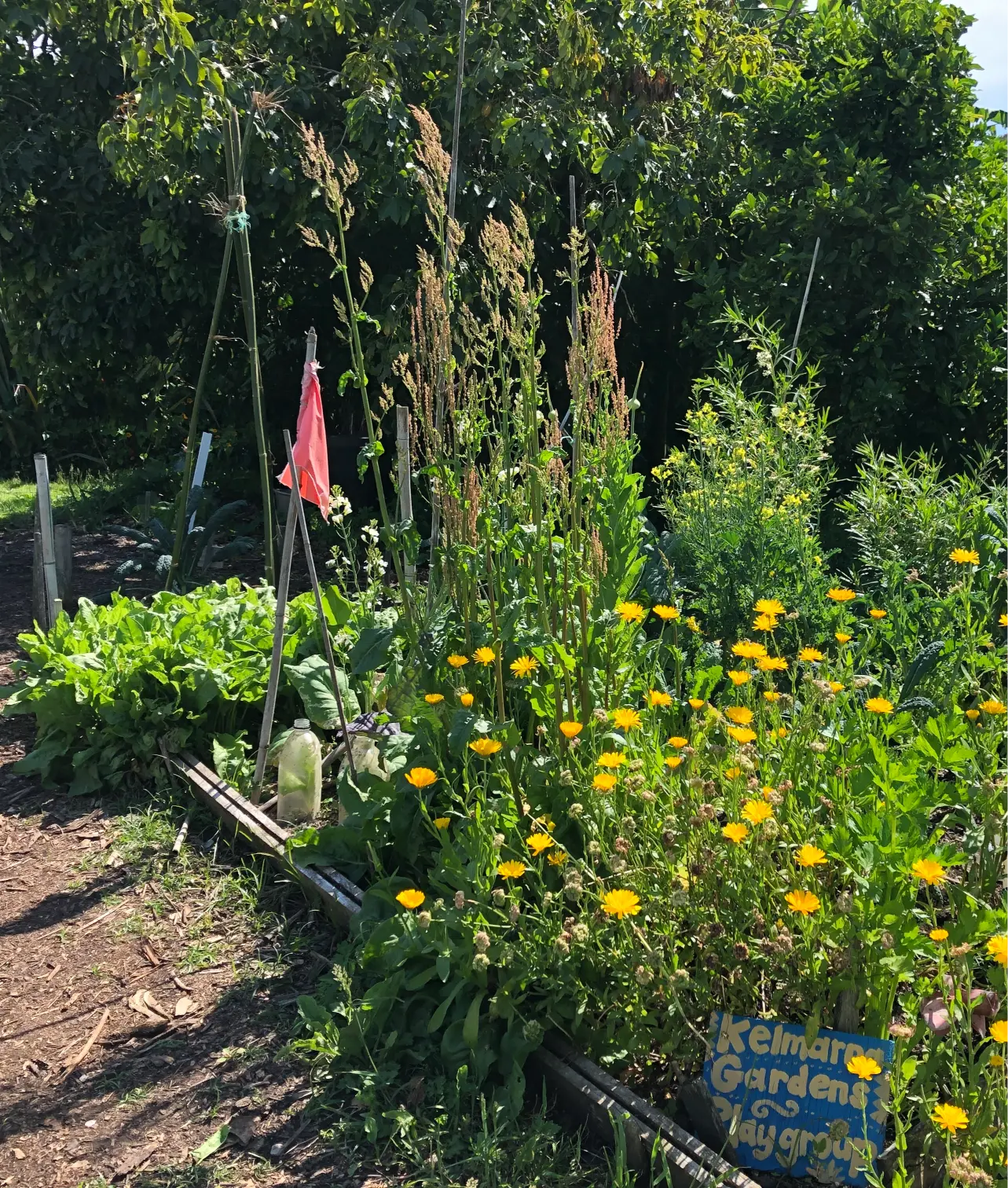
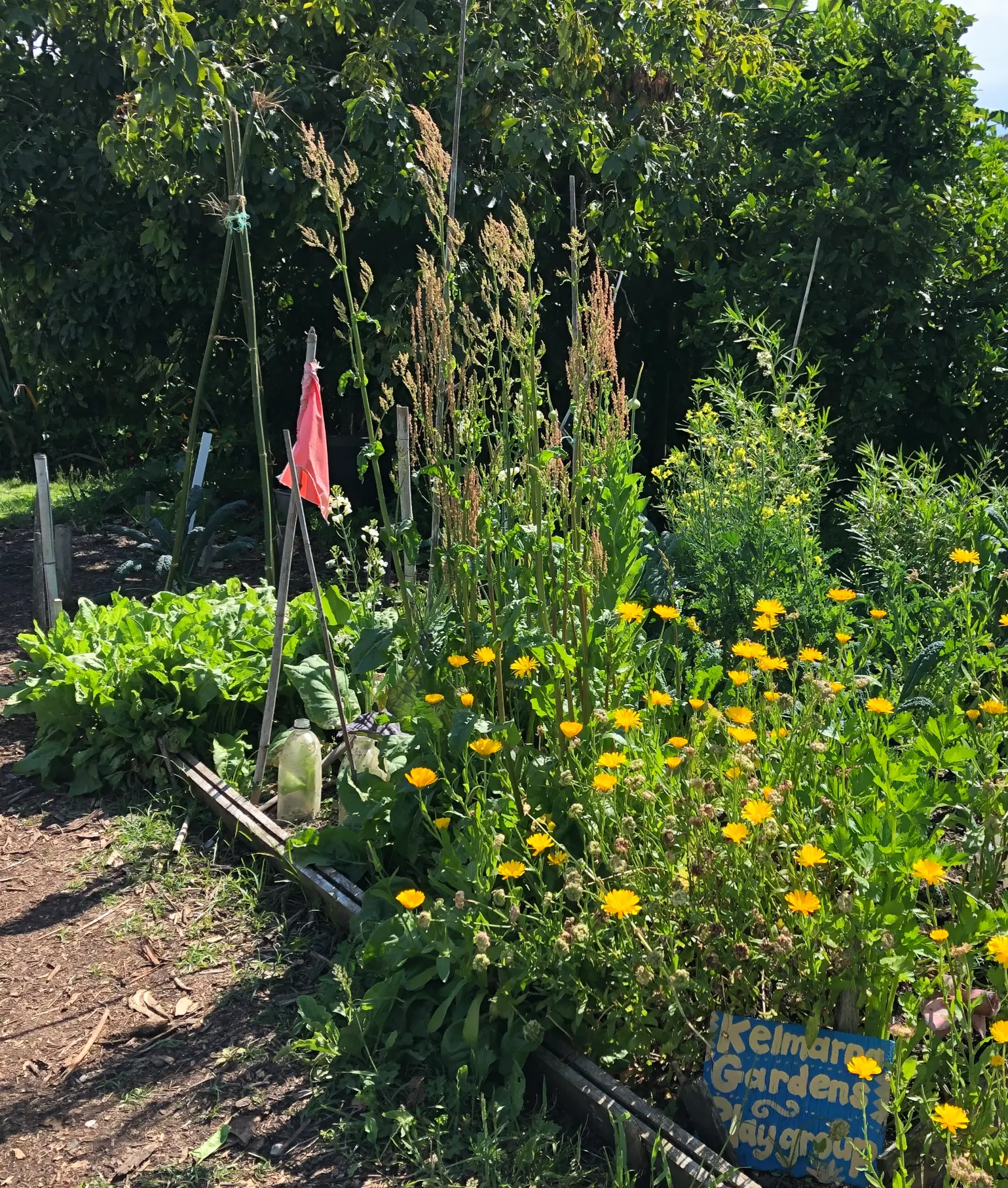
I left with a burning desire to put the flower on the wall and went looking for inspiration. I didn’t have a garden, so found my flowers in the in-between spaces that others had planted joy: roses spilling over fences, hydrangeas enveloping letterboxes, nasturtiums roving across paths. In the joyous tangles of community gardens, I was drawn to the ramshackle margins where nature was left to roam freely. I loved the loud pink zinnias revelling in their audacity as much as the shady violets nestled quietly below. I saw joy, resilience and a wild pulse of life. I felt freedom to be oneself, and a communal generosity to co-exist. I saw rebels, romantics, and everything in between. This was my community, and these were my people.
Each painting I create is a portrait of characters and their relationships. Colour speaks of happiness, rhythm describes energy and texture reveals sensual perception. Without hedge trimmers the ramblers race skywards and the jasmine twines between. Without ruthless weeding the poppies emerge through snow in spring and foxgloves turn up in the gravel. My rowdy gatherings have names like Party Goers, and Standing Room Only. The roses become the Temptress or the Social Climber; the quiet ones, the Illicit Gathering or the Eavesdropper.
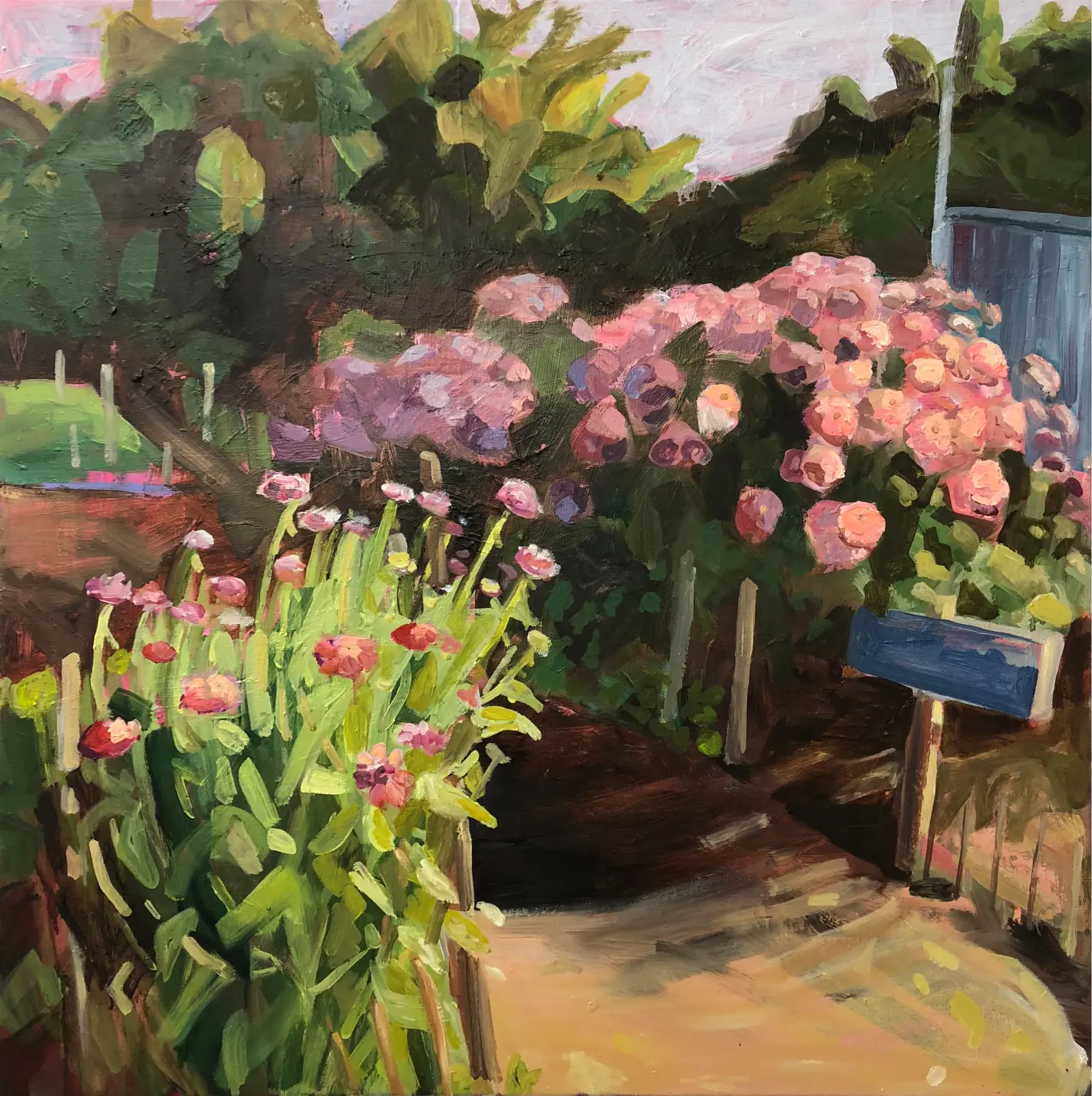
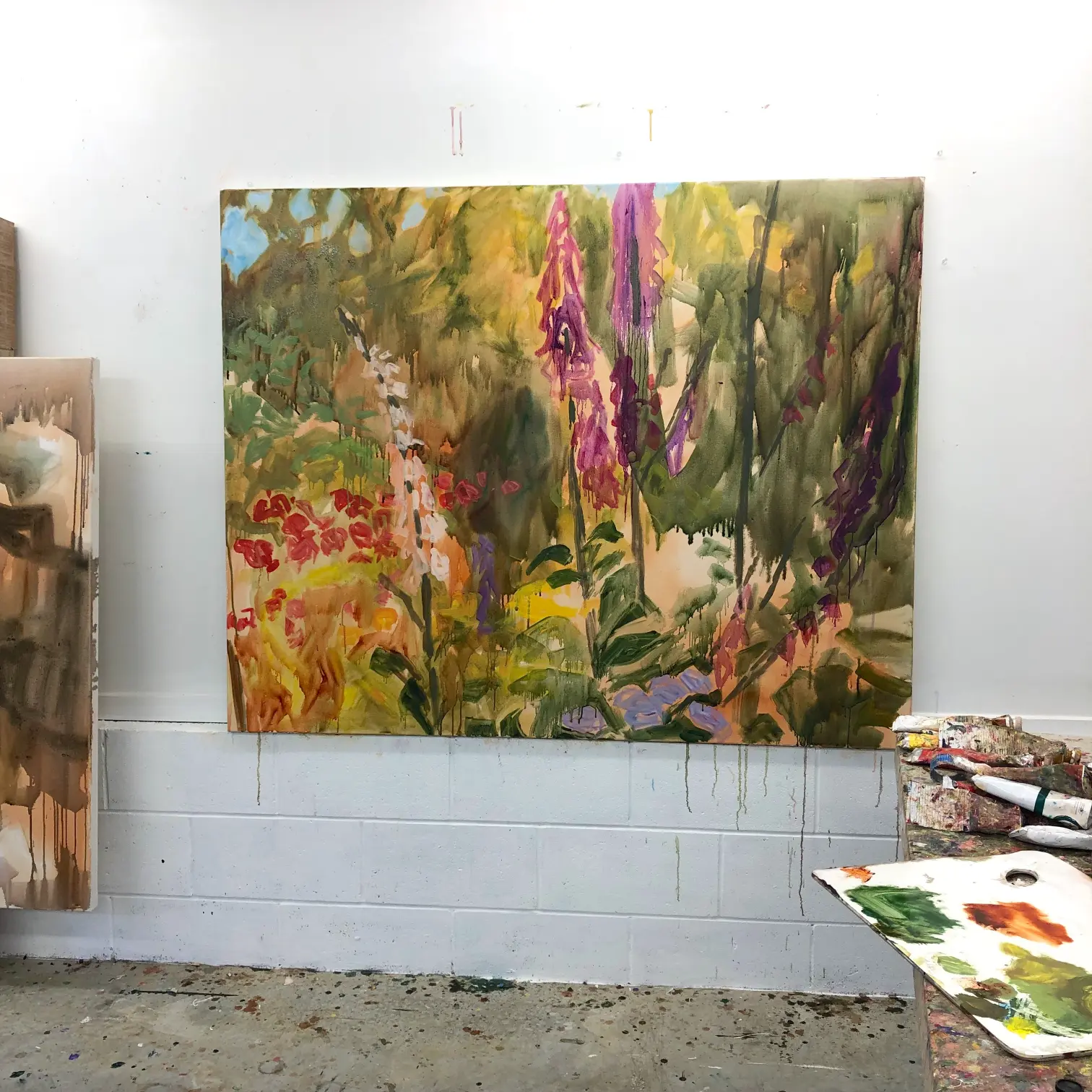
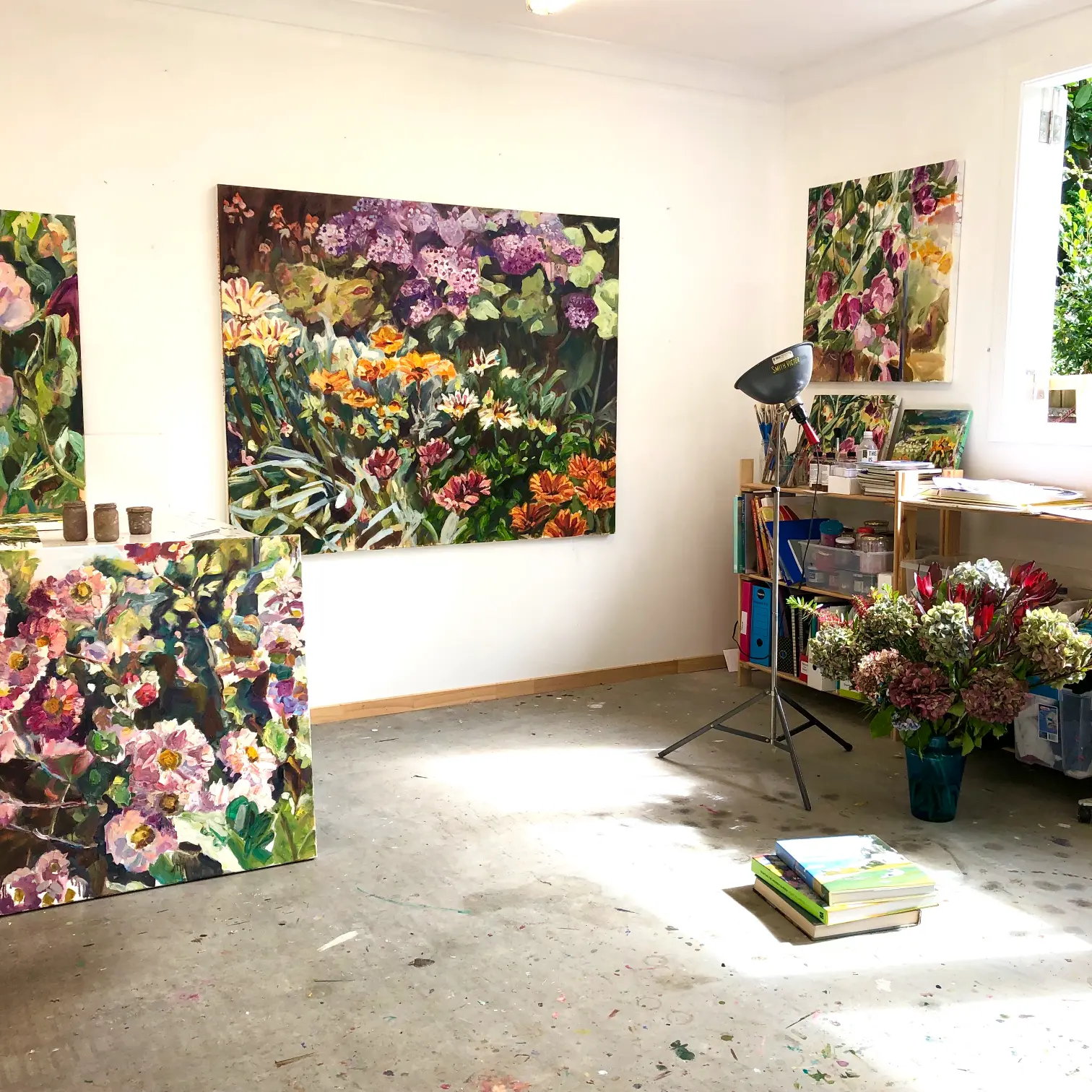
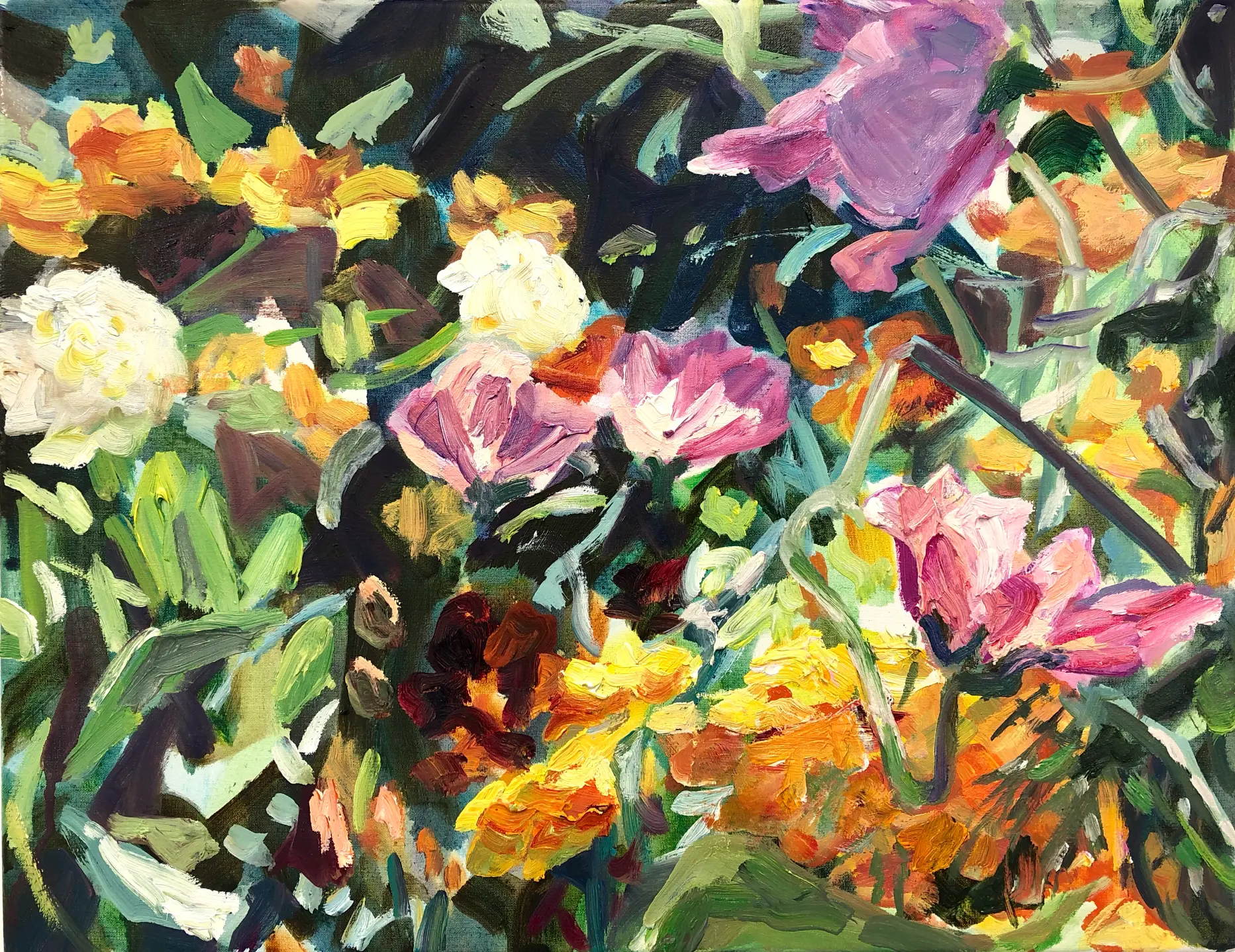
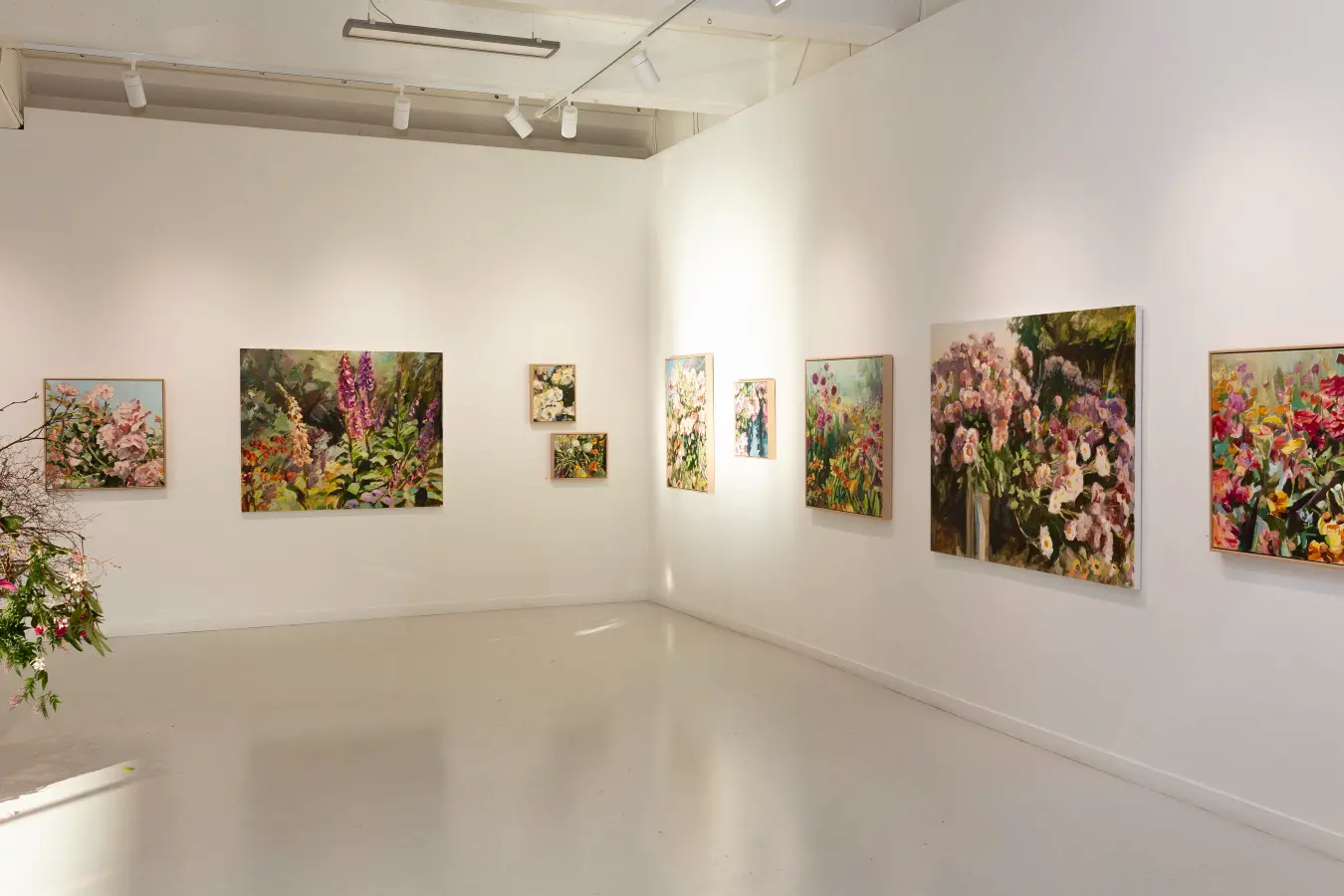
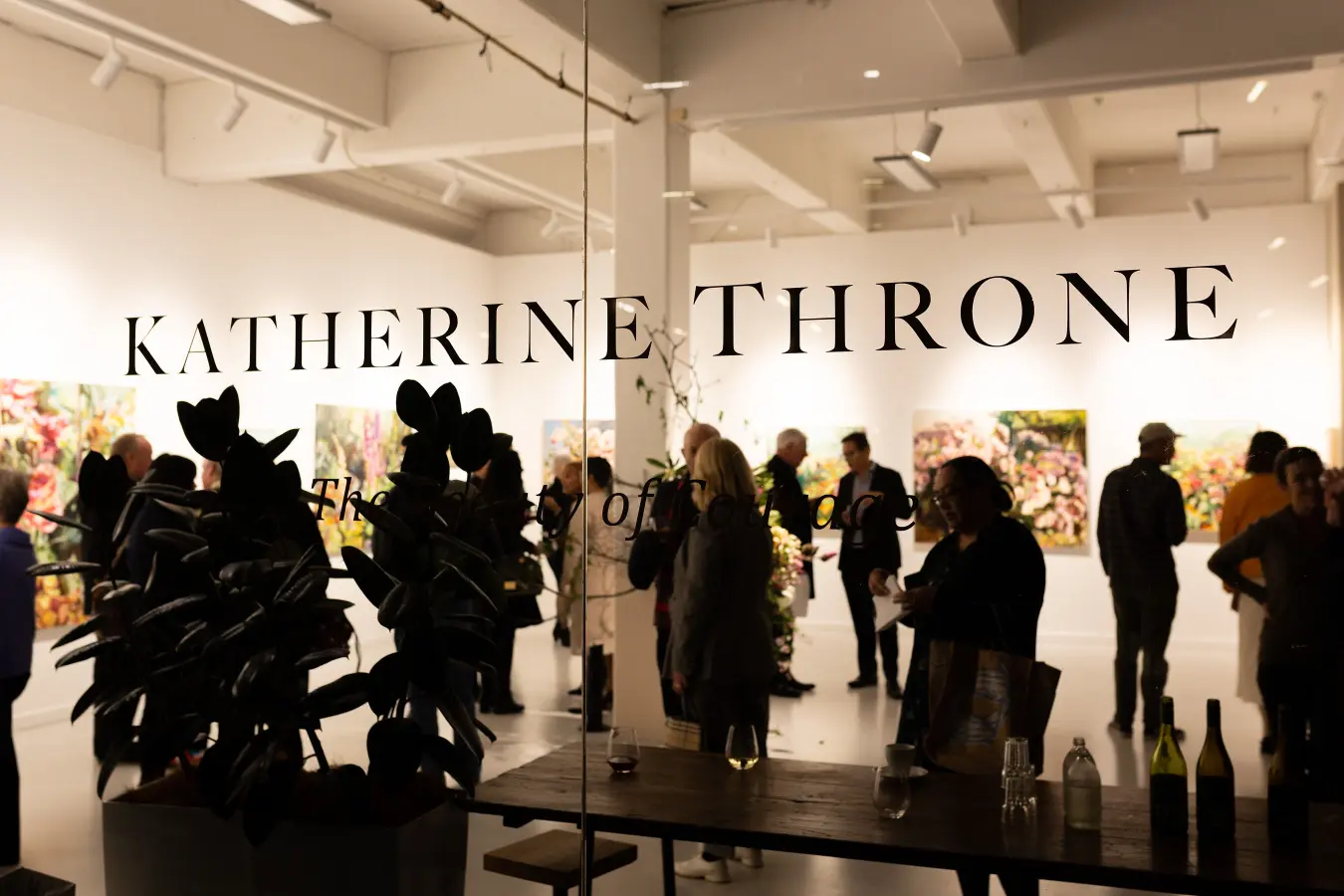
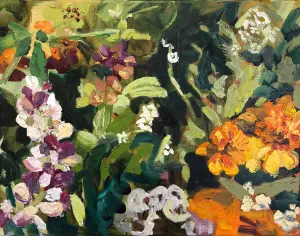
But what strikes me most about the flowers I paint is resilience. Despite a concrete wall or sodden ground, brutal frost or punishing win, the flower is determined to thrive. That courage is beautiful. My toolbox is bold brushstroke and luminous oil paint. Stories of seasons are revealed in layers, with glimpses of bare canvas or the first trace of burnt sienna still visible. But the struggles are there too. Think layers next to thin washes creates vibration. Amongst passages of delicate softness there is evidence of trauma: carving out, scraping away and rebuilding. Flourishing is celebrated most intensely when the struggle has been real.
The flower has been my muse for over 10 years, helping me comprehend what is means to be human. I don’t consider myself a painter of flowers, because that reduces their entirety to a noun. Instead, I paint a celebration of the feminine and all her wonderful associations. While it is deeply satisfying to return the flower to the wall, I’ve realised that art is, most importantly, a gesture of deep connection. It’s an invitation to the viewer to share a feeling. I hope others experience the joy and optimism in my work and feel a resonance of belonging – they might see themselves at the gathering and think “I know that feeling, I feel that too”.